
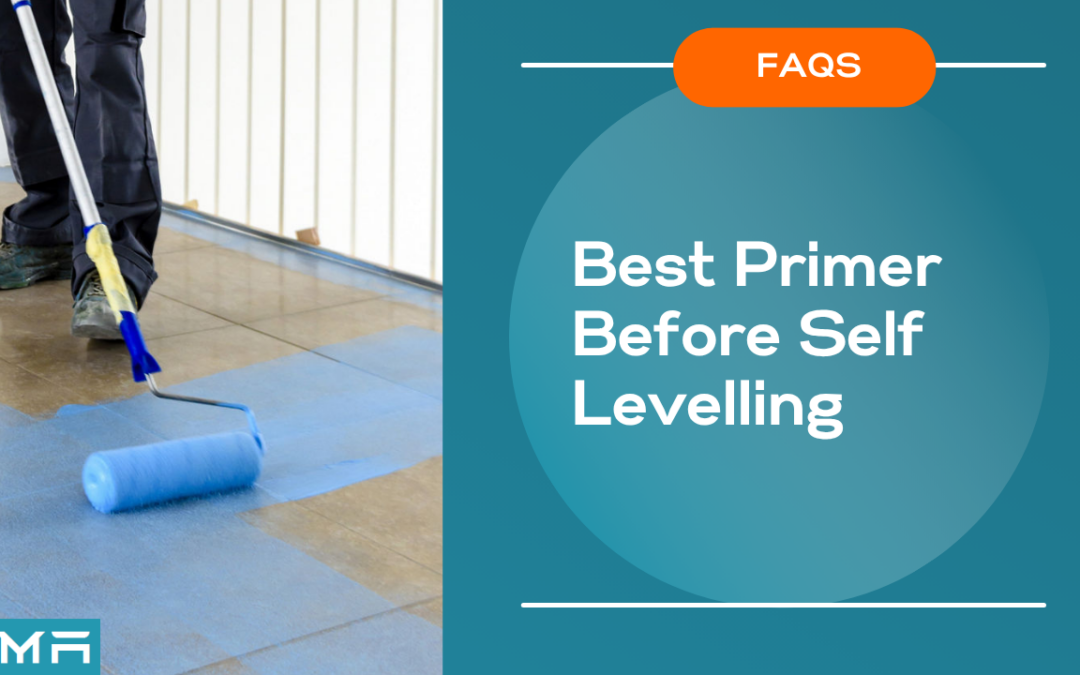
The best primer before self levelling depends on the type of subfloor you are working with. Concrete, sand and cement screed, timber, and tiled surfaces may all require different primers to achieve proper adhesion.
Why Primer Is Important
Primer helps the self levelling compound bond to the surface below. It also reduces excessive absorption, prevents air bubbles from rising through the levelling compound, and helps create a more consistent finish.
Skipping primer is one of the most common causes of poor levelling results. Even a high quality self levelling product can struggle if the surface has not been prepared correctly.
Choosing the Right Primer
Most self levelling compound manufacturers recommend a compatible primer designed for their system. Following the manufacturer’s guidance is usually the safest approach.
Many online articles suggest a single “best” primer, but there is no universal solution. The correct choice depends on the condition of the floor, moisture levels, and the type of substrate underneath.
This is particularly important in older Glasgow tenement properties and renovation projects in areas such as Paisley, where existing floors may contain a mix of old screed, concrete, and previous floor coverings.
For more information on floor preparation, see our guide on how to fix low spots in a screed floor.
If you are unsure which primer is suitable for your project, our Glasgow team can provide expert advice, clear communication, and fixed price quotes to help you avoid costly flooring issues.
Getting the Best Finish
Good floor preparation is often more important than the levelling compound itself. Selecting the right primer and preparing the surface properly helps create a smoother, longer lasting result.
For professional floor screeding services across Glasgow and surrounding areas, contact LMA Floor Screeding. We provide fixed price quotes, experienced workmanship, and practical guidance for residential and commercial flooring projects.