by lmaldnflrscr | Jun 17, 2026 | Uncategorized
The correct screed depth depends on the type of screed being used and the underfloor heating system installed. Getting the depth right is important for both heating performance and floor durability. Typical Screed Depths Traditional sand and cement screed is usually...
by lmaldnflrscr | Jun 15, 2026 | FAQs
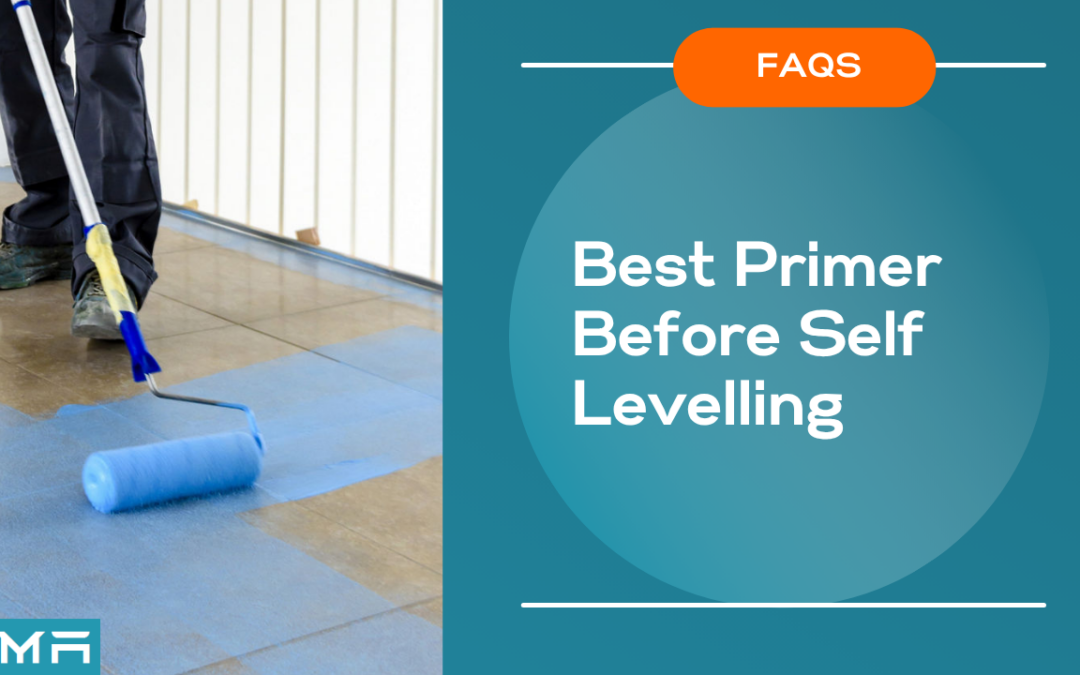
The best primer before self levelling depends on the type of subfloor you are working with. Concrete, sand and cement screed, timber, and tiled surfaces may all require different primers to achieve proper adhesion. Why Primer Is Important Primer helps the self...

by lmaldnflrscr | Jun 14, 2026 | Uncategorized
Insulation beneath a screed floor helps improve energy efficiency, reduce heat loss, and provide a stable base for the screed itself. Choosing the right insulation is just as important as selecting the screed. Why Insulation Matters Floor insulation helps prevent heat...
by lmaldnflrscr | Jun 13, 2026 | FAQs
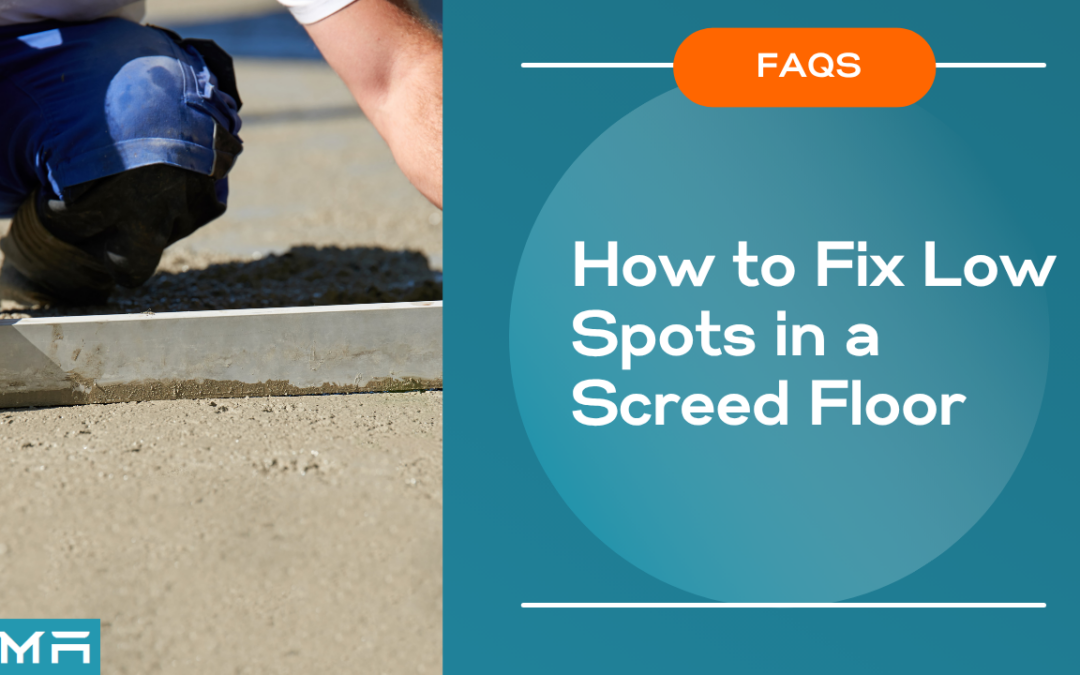
Low spots in a screed floor can lead to uneven flooring, visible imperfections, and installation problems. The right solution depends on the size and depth of the affected area. How to Check for Low Spots A long straight edge placed across the floor is usually the...
by lmaldnflrscr | Jun 12, 2026 | Uncategorized
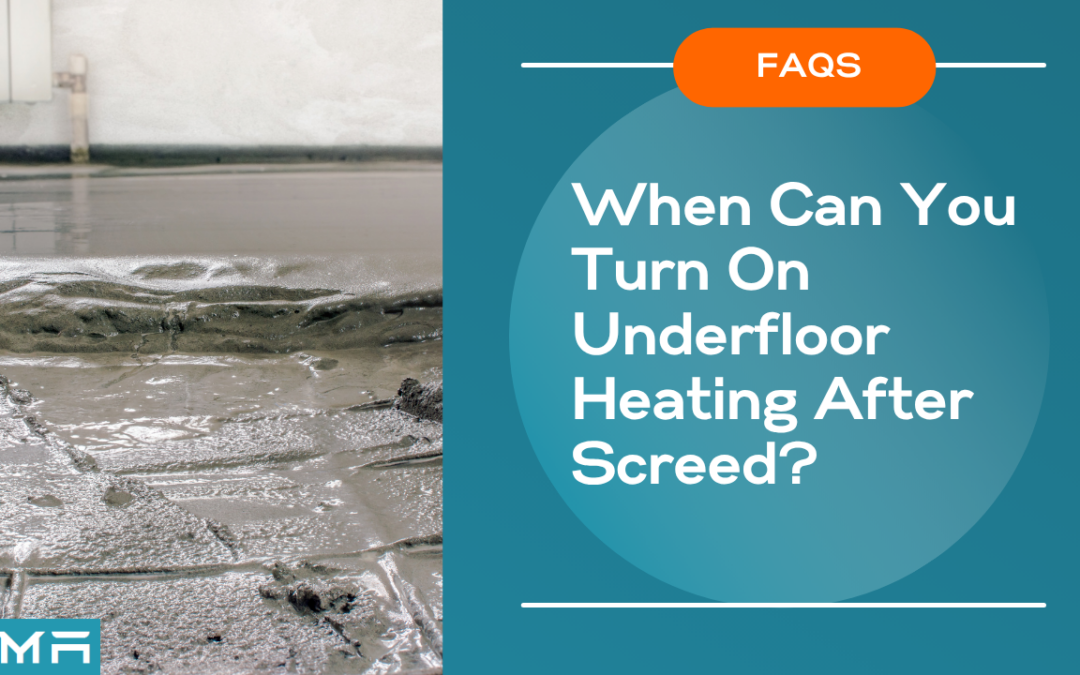
You should not switch on underfloor heating as soon as the screed is laid. The correct waiting time depends on the type of screed used and how quickly it dries. Traditional sand and cement screed usually needs around 21 to 28 days before underfloor heating can be...
by lmaldnflrscr | Apr 2, 2026 | FAQs
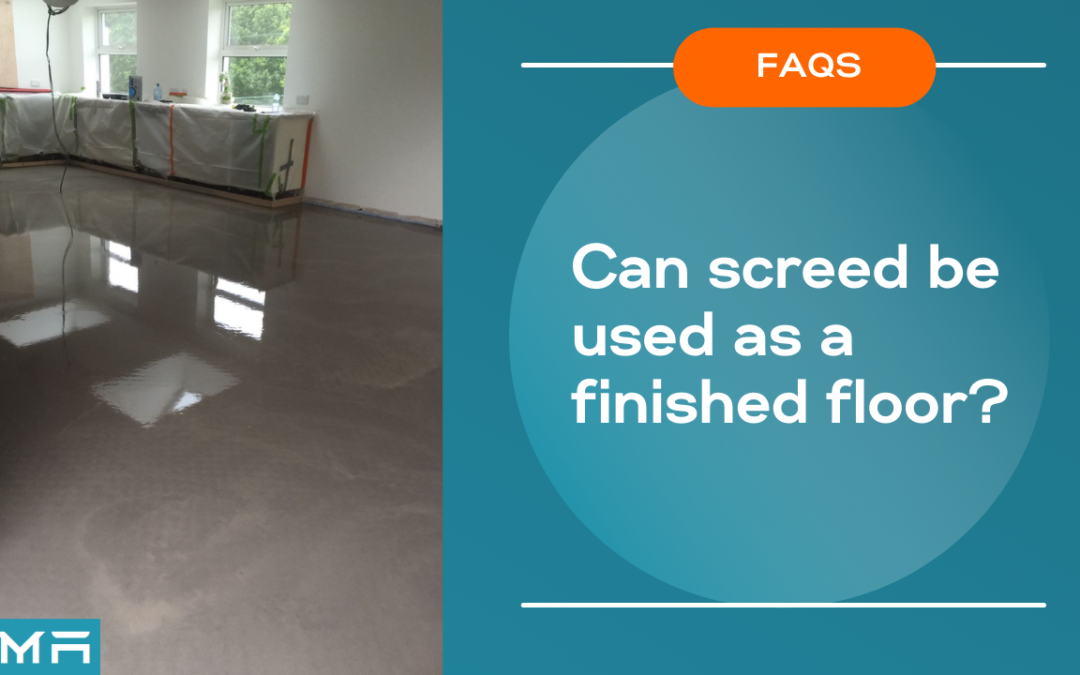
Screed is normally used as a base layer for flooring such as tiles, wood, vinyl, or carpet. Its main purpose is to create a smooth, level surface ready for a final floor finish. However, in some situations screed can be used as the finished floor itself, provided it...
by lmaldnflrscr | Mar 31, 2026 | FAQs
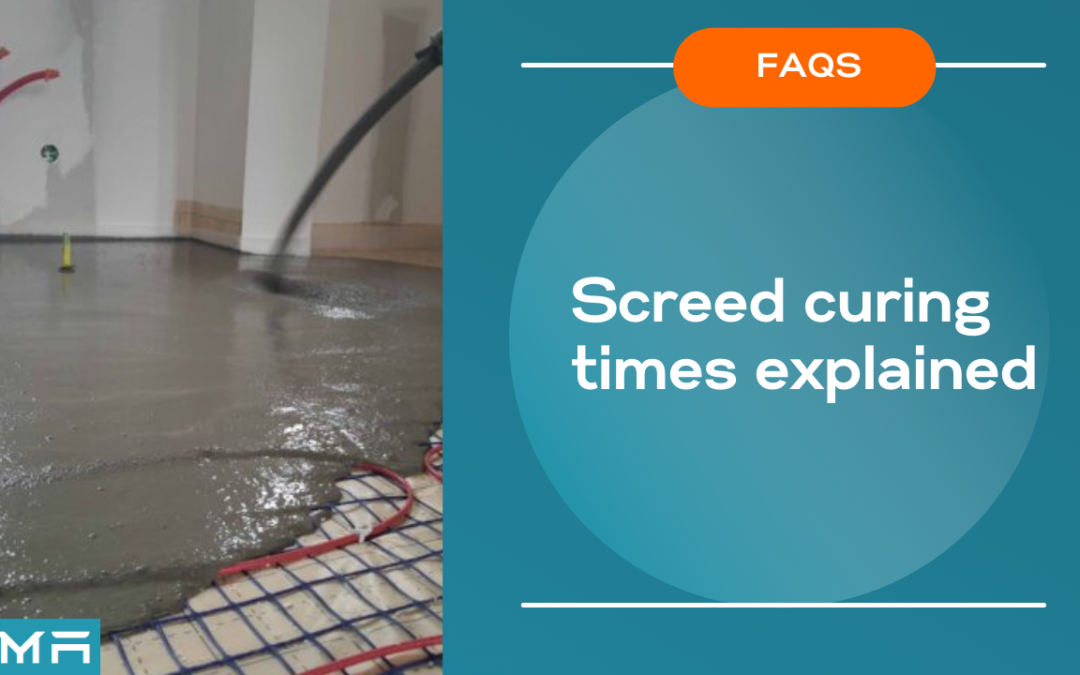
Screed curing time is one of the most important factors in any flooring project. Installing floor finishes too early can trap moisture and lead to cracked tiles, lifting floors, or adhesive failure. Across London and the South East, screed is commonly used in new...
by lmaldnflrscr | Mar 26, 2026 | FAQs
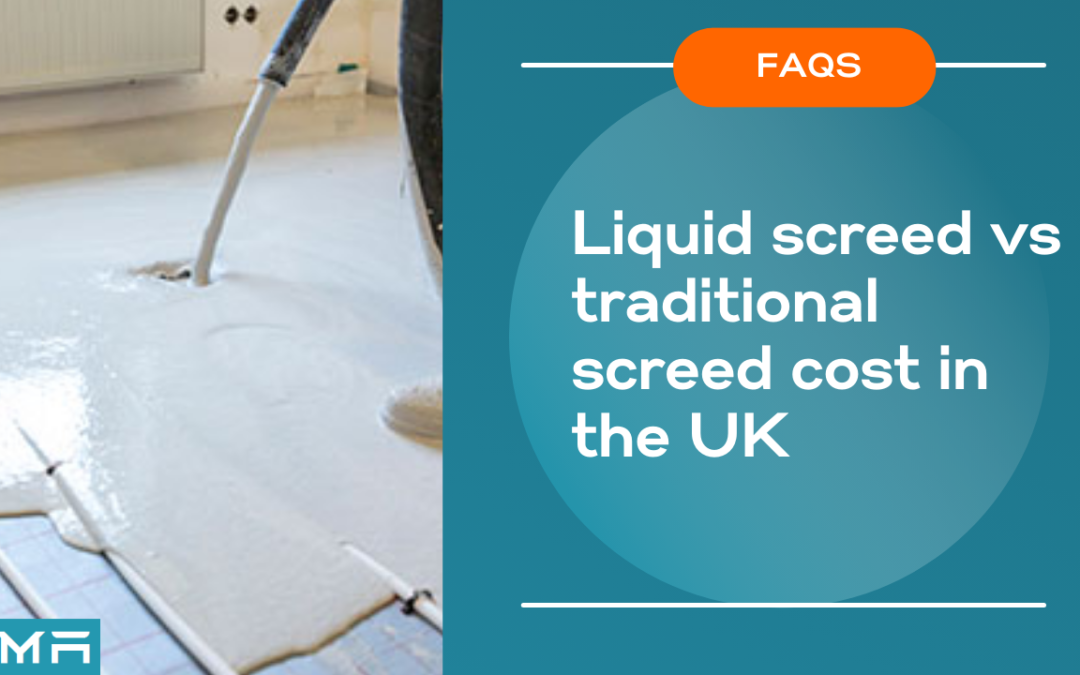
If you are planning a flooring project, one of the most common questions is whether liquid screed or traditional screed is the more cost effective option. Both materials are widely used across London and the South East, but the total cost depends on factors such as...
by lmaldnflrscr | Mar 24, 2026 | FAQs
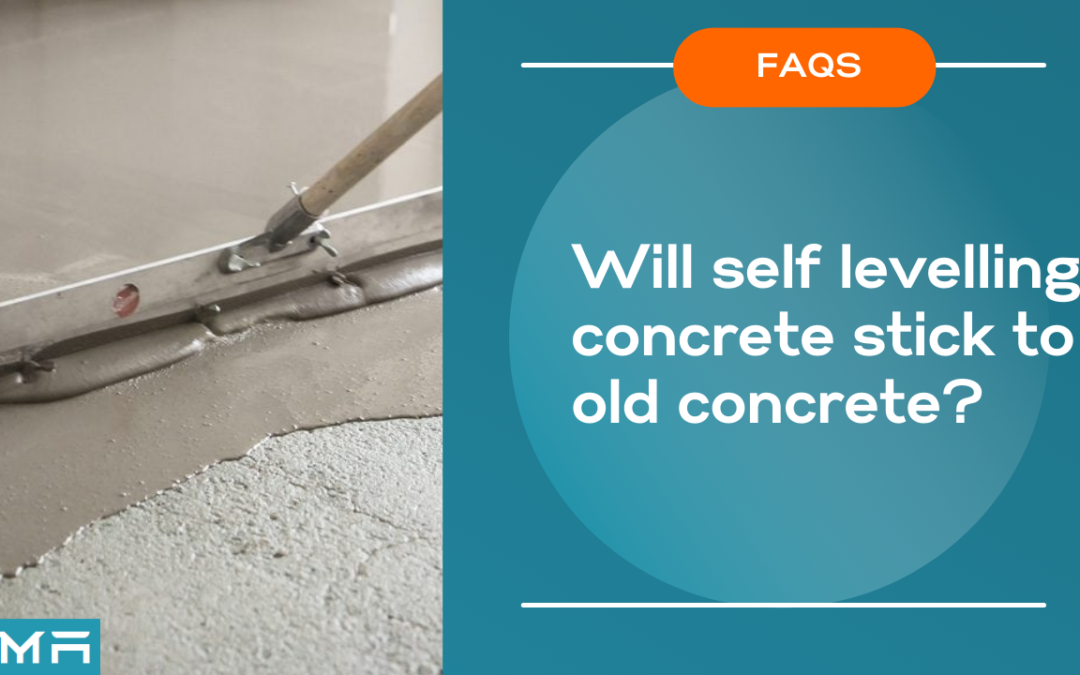
Yes, self levelling concrete can stick to old concrete, but only if the surface is properly prepared. In many refurbishment projects across London and the South East, levelling compounds are used to correct uneven concrete floors before installing tiles, wood, or...
by lmaldnflrscr | Mar 19, 2026 | FAQs
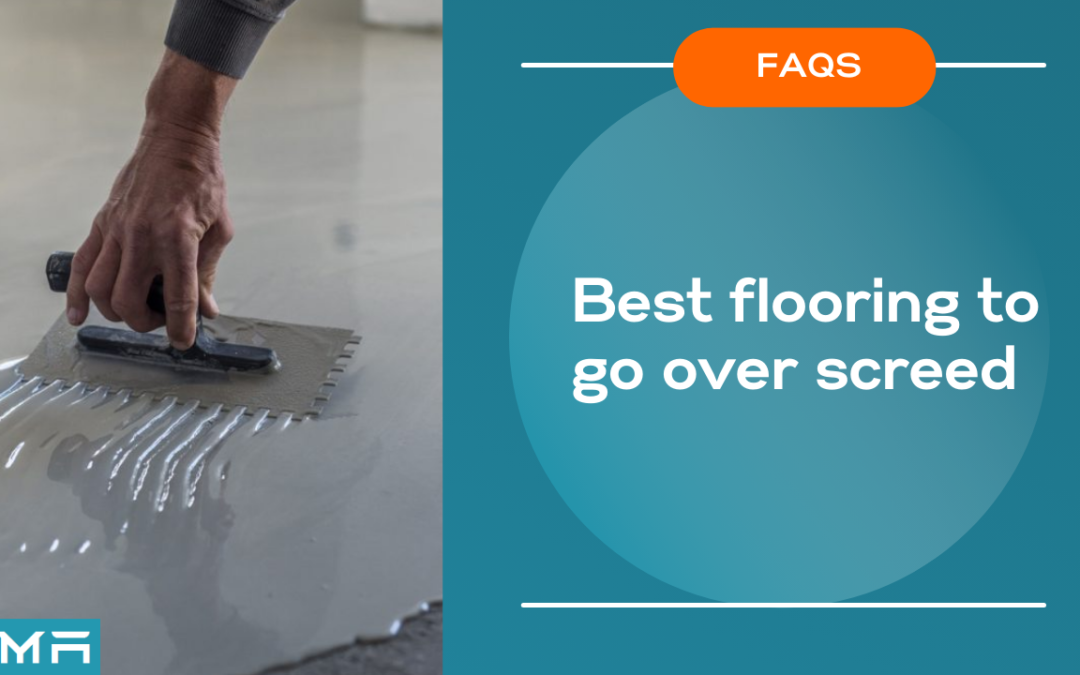
Screed provides a smooth, level base for many different types of floor finishes. Once the screed has fully cured, a wide range of flooring materials can be installed depending on the room, moisture levels, and how the space will be used. Across London and the South...