by lmaldnflrscr | Mar 19, 2026 | FAQs
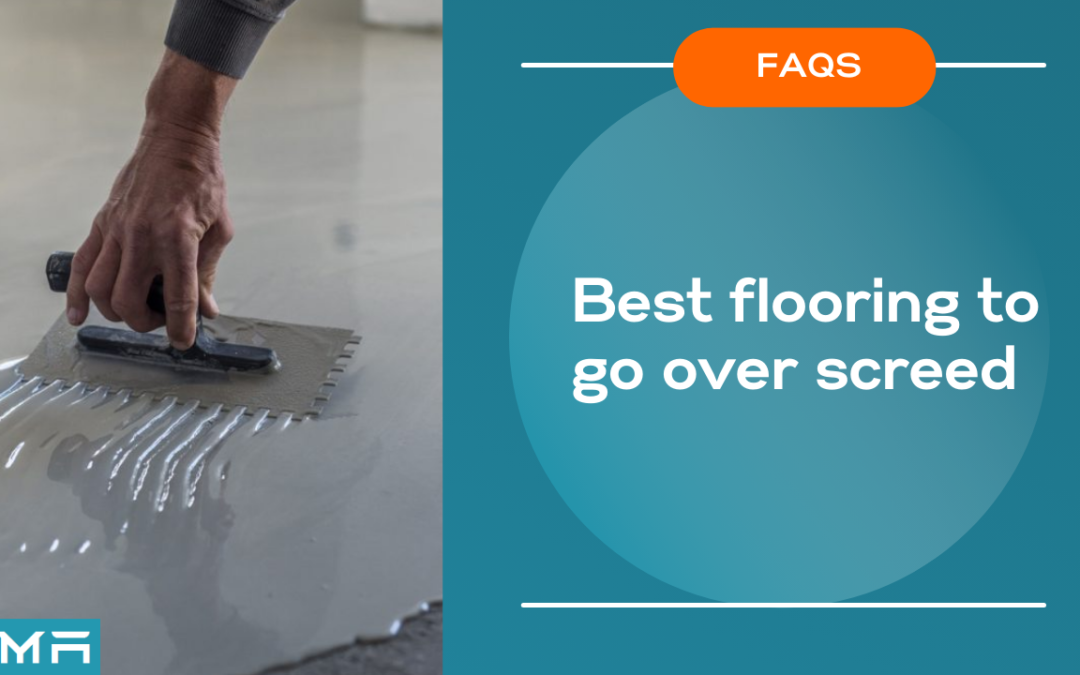
Screed provides a smooth, level base for many different types of floor finishes. Once the screed has fully cured, a wide range of flooring materials can be installed depending on the room, moisture levels, and how the space will be used. Across London and the South...
by lmaldnflrscr | Mar 17, 2026 | FAQs
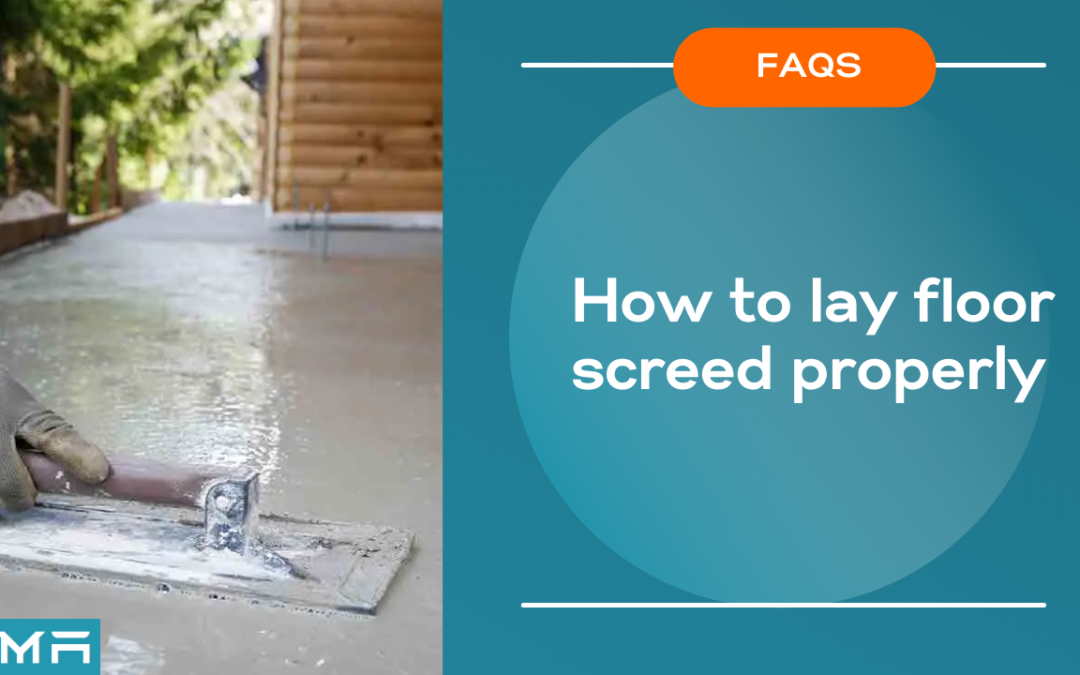
Floor screed is used to create a smooth, level base before installing final floor finishes such as tiles, wood, vinyl, or carpet. While the process may seem simple, laying screed properly requires careful preparation, correct mixing, and controlled curing to achieve...

by lmaldnflrscr | Mar 12, 2026 | FAQs
Mixing floor screed correctly is essential for a strong, durable surface. Poorly mixed screed can lead to weak floors, cracking, and uneven finishes. Professional screeders focus on the correct ratios, consistent mixing, and proper preparation before installation....

by lmaldnflrscr | Mar 11, 2026 | FAQs
Self levelling concrete is widely used to correct uneven floors and prepare surfaces before installing tiles, wood, or vinyl. When installed correctly it creates a smooth, level base with minimal effort. However, mistakes during preparation or installation can quickly...

by lmaldnflrscr | Feb 26, 2026 | FAQs
If a screed isn’t level, it can cause everything from cracked tiles to unsafe trip hazards. Screed (sand/cement or liquid) is laid over the slab to create a flat base for the final floor finish. In the UK, flatness is measured as Surface Regularity (SR) using a 2m...

by lmaldnflrscr | Feb 24, 2026 | FAQs
A great self-levelling finish starts with prep. Pumpable self-levelling screeds are common in UK renovations (flattening floors, smoothing subfloors, even encasing UFH), but if the base isn’t stable, clean and primed, you risk poor bonding, cracks and failed finishes....

by lmaldnflrscr | Feb 19, 2026 | FAQs
Liquid (flow) screed creates smooth, level floors, but it can crack if conditions aren’t ideal. In London projects it’s also common to see fine hairline cracks as screed dries these are often superficial. Wider, jagged or long straight cracks usually signal stress or...

by lmaldnflrscr | Feb 17, 2026 | FAQs
Floor screed is a cementitious layer (usually sharp sand and cement, sometimes with fibres or additives) laid over a subfloor to create a smooth, flat, strong base. Its main job is to provide a level platform for the final floor finish tiles, wood, vinyl, carpet and...

by lmaldnflrscr | Feb 12, 2026 | FAQs
Liquid screed (also called flowing or pumpable screed) is a modern, self-levelling alternative to traditional sand-and-cement. It’s a pre-mixed slurry typically cement (or calcium sulphate), sand, water and additives delivered by pump onto the floor, where it flows...

by lmaldnflrscr | Feb 10, 2026 | FAQs
Yes when the existing slab is sound, you can pour a new layer of self-levelling concrete (self-levelling screed) over old concrete. This polymer-modified mix flows into low spots, then hardens into a smooth, flat surface. The big benefits are speed and finish: it...