
If you are planning a flooring project, one of the most common questions is whether liquid screed or traditional screed is the more cost effective option. Both materials are widely used across London and the South East, but the total cost depends on factors such as floor size, thickness, labour, and drying times.
Understanding the differences helps you choose the best option for your project.
Typical cost of traditional screed
Traditional sand and cement screed is usually mixed on site and installed manually. Because the materials themselves are relatively inexpensive, it can appear to be the cheaper option at first.
Typical UK prices for traditional screed often range between:
£15 to £25 per square metre for materials
£30 to £50 per square metre including installation
Costs vary depending on thickness, floor area, and site access.
However, traditional screed usually requires more labour and longer drying times, which can affect the overall project timeline.
Typical cost of liquid screed
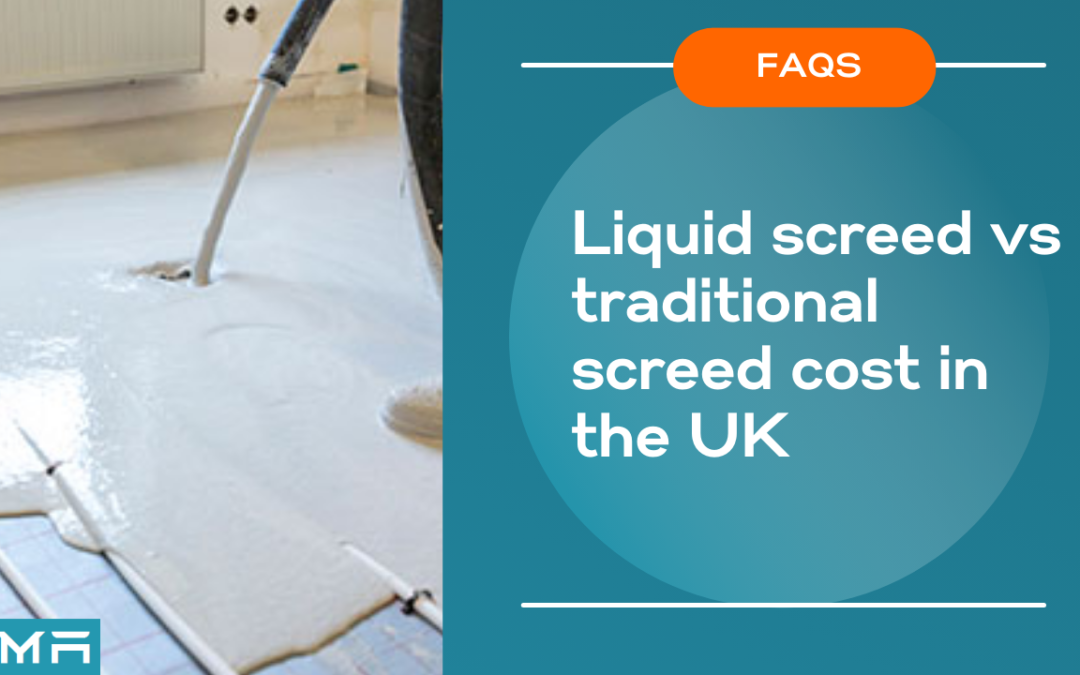
Liquid screed is delivered ready mixed and pumped onto site. This allows it to be installed quickly and achieve very flat surfaces with less manual labour.
Typical UK prices for liquid screed generally range between:
£18 to £30 per square metre for materials
£35 to £60 per square metre including installation
Although the material cost can be slightly higher, the faster installation and reduced labour often balance out the overall project cost.
Why project size affects the price
Liquid screed becomes more cost effective on larger floor areas because it can be pumped quickly across the site.
Traditional screed may be more suitable for smaller rooms where pumping equipment is not practical.
Many new build homes and extensions around London use liquid screed because it can cover large open plan floors efficiently.
Underfloor heating considerations
Liquid screed is often preferred when underfloor heating is installed. Its flowing consistency allows it to fully surround heating pipes, which helps improve heat transfer and reduce air gaps.
Traditional screed can also be used with underfloor heating but typically requires greater thickness and more careful installation.
Drying times and project timelines
Traditional screed generally takes longer to dry before final floor finishes can be installed. Liquid screed often allows faster installation and more consistent drying across large areas.
For projects with tight schedules, this difference can have a significant impact on overall costs.
Choosing the right screed for your project
The best choice depends on several factors, including floor size, required thickness, heating systems, and construction timelines.
Liquid screed is often ideal for larger residential projects, underfloor heating systems, and areas where very flat floors are required.
Traditional screed remains a reliable solution for smaller areas or projects where pumping access may be limited.
If you are planning a screeding project in London or the South East and want clear guidance on the most cost effective option, the LMA Floorscreeding team can help.
We provide straightforward advice and clear quotes so you understand the best solution for your project.